
Tiles vs Granite: Which Material Should You Use for Kitchens, Stairs & Floors?
Intrihub Structural Sourcing Specialists
Intrihub Specialist
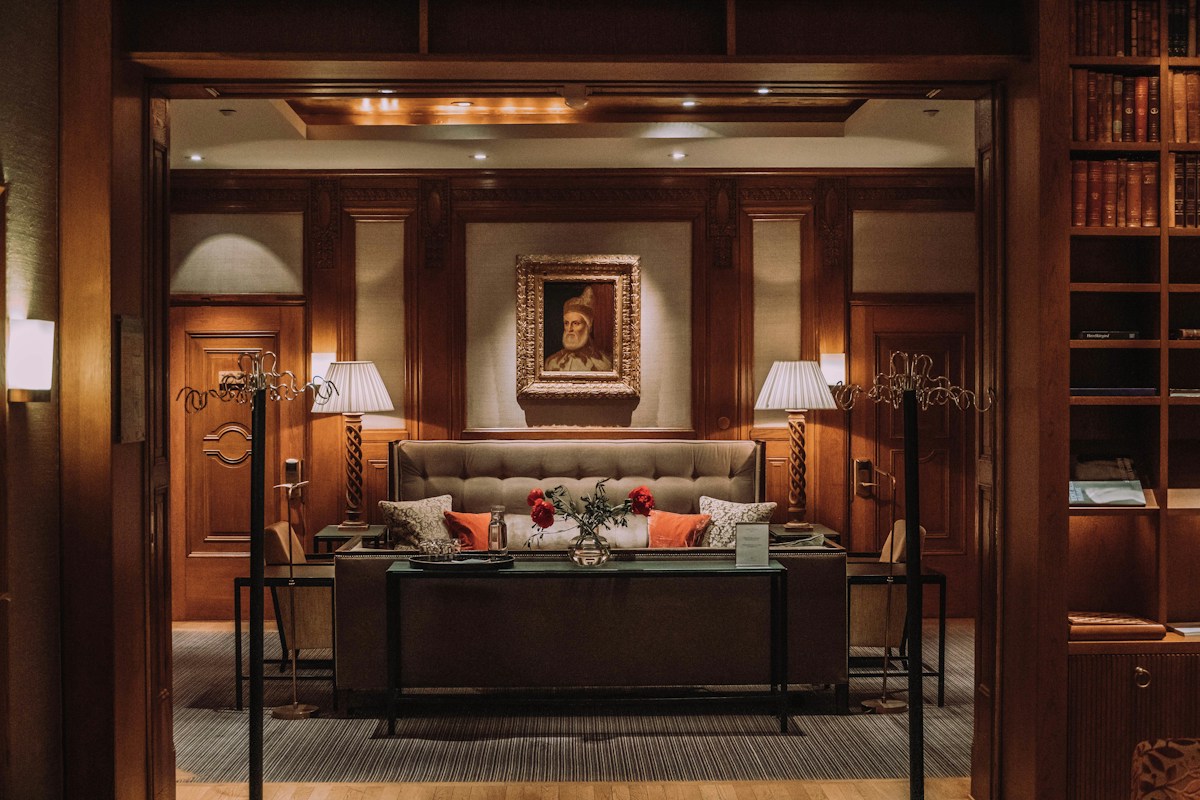
Detailed cost, durability, maintenance, and heat-resistance comparison between natural granite stone and large-format vitrified tiles.
Key Takeaways
Granite offers unrivaled heat resistance and natural stone individuality for kitchen countertops and heavy-duty stair treads, whereas vitrified tiles deliver consistent patterns, lighter weight, and easier replacement for general flooring.
1. Heat Resistance & Countertop Performance
Kitchen countertops undergo extreme heat, knife cuts, and acidic spills (citrus, vinegar, oils).
Granite is a natural igneous rock that comfortably withstands direct contact with hot pans (up to 400°C) without blistering or cracking. It remains the gold standard for Indian kitchen platforms.
Full-body vitrified tiles and quartz surfaces are viable modern alternatives but require silicone trivets for hot utensils.
2. Cost & Installation Complexity
Granite slabs typically require specialized edge moulding (bullnose, chamfer), heavy transport, and skilled stone masons.
Vitrified tiles are factory-sized with precise calibrated edges, reducing labor costs and installation time by up to 40%.
Frequently Asked Questions
Is granite better than vitrified tiles for kitchen countertops?
Yes, natural granite (such as Black Galaxy, Jet Black, or Tan Brown) is superior for main kitchen cooking platforms because of its natural density, heat tolerance, and scratch resistance.
Can tiles be laid directly over existing granite floors?
Yes, using polymer-modified tile-on-tile adhesives (such as Type 2 C2TE adhesives) allows direct bonding over clean, roughened stone without dismantling the subfloor.
Looking to procure materials for your project?
Browse verified collections, check live stock, and get instant wholesale GST pricing.
Related Buying Guides
View all guides
Diwali Home Renovation 2026: Interior Materials Checklist and 4-Week Timeline
5 min read
Eco-Friendly Building Materials Trending in India: A 2026 Guide for Homeowners & Builders
5 min read
Founder's Note: Why We Started IntriHub to Revolutionize Building & Interior Supplies
5 min read